Professional vs DIY carpet cleaning in Putney: cost guide
If you're weighing up professional vs DIY carpet cleaning in Putney, you're probably trying to answer two questions at once: what will do the best job, and what will it cost me? Fair enough. Carpet cleaning sounds simple until you start looking at machines, detergents, drying times, stubborn stains, and the not-so-small matter of your own time. This guide breaks down the real differences between hiring a pro and doing it yourself, with a practical cost focus for Putney homes, flats, rentals, and busy family spaces.
We'll look at how each option works, where the hidden costs sit, when DIY can make sense, and when a professional clean is usually the better call. If you want a clearer decision without the sales fluff, you're in the right place.
- Why the choice matters in Putney
- How professional and DIY carpet cleaning works
- Benefits of each option
- Who each option suits best
- A step-by-step way to decide
- Expert tips for better results
- Mistakes that can get expensive
- Tools, resources and recommendations
- Safety, best practice and care
- Comparison table
- Real-world example
- Practical checklist
- Conclusion
- Frequently asked questions
Why Professional vs DIY carpet cleaning in Putney: cost guide Matters
Carpets in Putney take more of a beating than many people expect. There's foot traffic from hallways and stairs, pets, children, muddy shoes after a wet walk by the river, and the usual London mix of dust and daily life. One room can look "fine" at a glance and still hold grit deep in the fibres. That matters because grime wears carpet down gradually, not all at once. You tend to notice it only after the pile has flattened or the colour looks a bit tired.
The choice between professional and DIY cleaning isn't only about the quote or the hire fee. It's also about the real cost of drying time, risk of overwetting, the chance of leaving residue behind, and how much effort you actually want to put in. A cheap DIY clean that leaves carpets damp all afternoon can be more frustrating than paying a bit more for a cleaner finish. On the other hand, not every carpet needs a specialist visit every single time. Sometimes a sensible home clean is enough.
To be fair, this is where a lot of people get stuck: they compare a machine hire price with a professional invoice and assume that's the whole story. It isn't. The true cost includes detergent, transport, time, results, and what happens if the stain comes back two days later. And yes, that does happen.
If you're already planning broader home care, it can help to think of carpet cleaning as part of the bigger picture. A clean carpet can make a room feel fresher in a way that even a quick tidy-up won't match. That's why services like deep cleaning or one-off cleaning are often considered alongside carpet care, especially before guests, after renovations, or during a move.
How Professional vs DIY carpet cleaning in Putney: cost guide Works
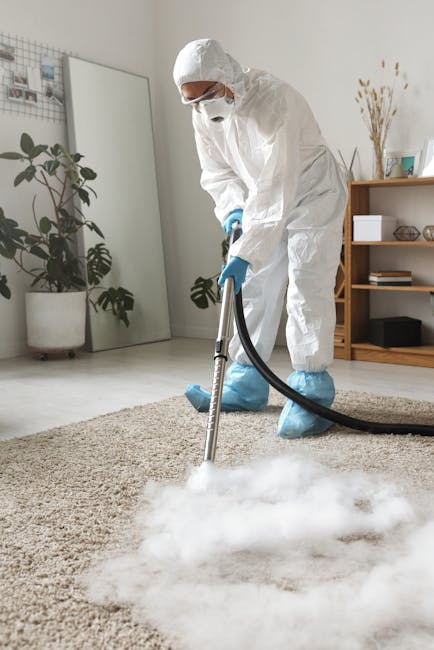
Professional carpet cleaning usually means a trained cleaner assessing the fibre type, stain history, and room condition, then using suitable equipment and products. In many homes, that can involve hot water extraction, sometimes called steam cleaning, although the process is more about rinsing and extraction than actual steam. The carpet is pre-treated, agitated where needed, rinsed, and then extracted with a powerful machine so it dries faster and leaves less residue.
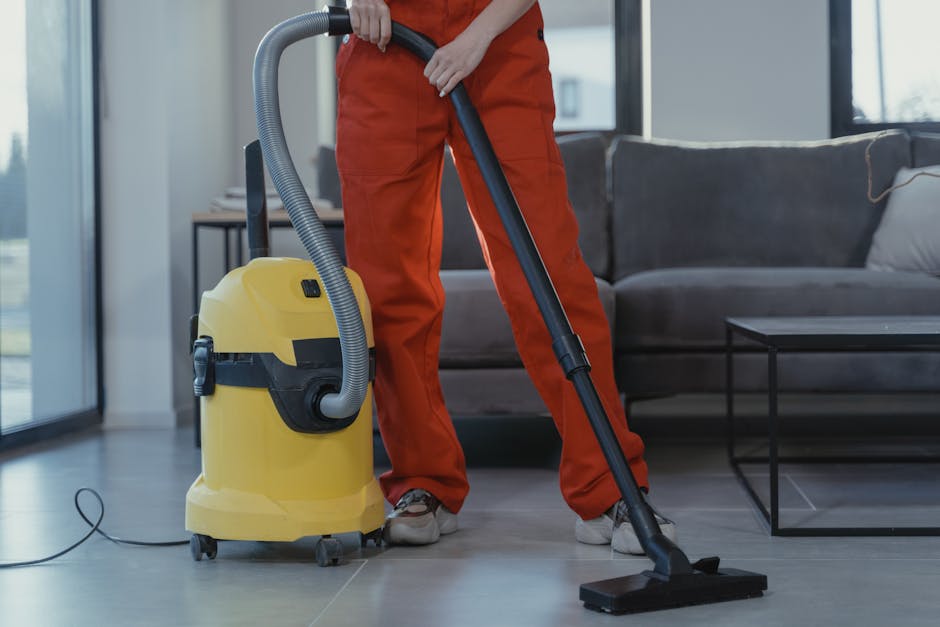
DIY cleaning typically means renting or buying a smaller machine, mixing solution yourself, and moving room by room. You control the pace, which can be a plus, but smaller machines often have less suction and less consistent heat. That usually means longer drying times and more chance of overapplying solution. Not ideal if you've got a busy household and no patience for soggy hallway carpet on a Tuesday morning.
There's also the stain-treatment difference. Professionals often carry spot treatments and know how to approach old marks, traffic lanes, pet accidents, or wine spills without making the problem worse. DIY kits can help with light fresh marks, but they're not always enough for deep-set soil. In real life, the best choice often depends on what's actually on the carpet, not the label on the bottle.
From a cost perspective, the basic split is simple:
- DIY: lower upfront cost, more of your time, and more risk if the result is patchy.
- Professional: higher upfront cost, less personal effort, stronger equipment, and usually more predictable results.
That said, "professional" doesn't automatically mean expensive in the long run. If a DIY clean needs to be repeated, or if you damage fibres by using too much water, the bargain quickly stops looking like one.
Key Benefits and Practical Advantages
Professional carpet cleaning offers the clearest benefits when you need deeper soil removal, better stain treatment, or a faster return to normal life. A good cleaner knows how to deal with different carpet types, from synthetic pile to wool blends, and they'll usually adjust method and chemistry accordingly. That matters because a one-size-fits-all approach can be rough on delicate fibres.
Some practical advantages of hiring a professional include:
- Stronger extraction: better removal of dirt, dust, and cleaning residue.
- More even results: fewer streaks, missed patches, or damp spots.
- Less hassle: you avoid lugging equipment around the house.
- Better stain handling: especially for traffic marks and older spills.
- Advice you can use: a decent cleaner will often tell you how to maintain the carpet after the visit.
DIY cleaning has its own advantages, and it's not just about saving money. It can work well for light upkeep, quick freshening, or small spaces where you want control over timing. If you're cleaning a small flat or just a single bedroom, DIY can be practical. You can do it exactly when it suits you, without waiting around for an appointment.
There's also a psychological benefit people rarely mention. Some homeowners simply feel better handling routine maintenance themselves. That's fair enough. There's a certain satisfaction in seeing a dull patch lift after a bit of work. Just keep expectations realistic. A home machine can refresh a carpet; it won't always restore it.
If you're balancing carpet care with other household cleaning jobs, professional help in related areas can sometimes save time overall. For example, people often combine carpet work with sofa cleaning or upholstery cleaning when a whole room needs attention. That bundled approach can feel more efficient than tackling everything in separate weekends. Nobody wants cleaning to become a seasonal hobby.
Who This Is For and When It Makes Sense
If you're trying to decide between professional and DIY carpet cleaning in Putney, the best option depends on your situation more than your budget alone. A professional service makes strong sense if your carpet is heavily used, visibly stained, or hasn't been cleaned properly for a long time. It also makes sense if you're short on time, renting out a property, preparing for an inventory check, or handling a move-out clean.
DIY may be enough if:
- the carpet is in decent condition already,
- you're mainly doing routine upkeep,
- the area is small,
- you're comfortable waiting for full drying, and
- you don't need specialist stain removal.
It's also worth thinking about the type of household. Families with young children often need quicker turnaround and stronger hygiene reassurance. Pet owners tend to need more frequent spot treatment and odour control. Landlords and tenants, meanwhile, often care most about appearance, consistency, and avoiding arguments at the end of a tenancy. In those situations, professional help can reduce stress quite a lot.
There's a middle ground too. Some people use DIY for regular refreshes and call in a professional once or twice a year for a proper deep clean. That approach can be sensible if the carpet is still in good condition. Not every job needs the same level of intervention. Honestly, that's the part people forget.
For homes that need broader cleaning support, services such as domestic cleaning or house cleaning can help keep the rest of the property under control while you focus on the carpeted areas that need special attention.
Step-by-Step Guidance
If you want a sensible way to compare costs without guessing, follow this process.
1. Inspect the carpet honestly
Look at traffic lanes, stains, smells, and the overall feel underfoot. Does the carpet look flat in the hallway? Are there old coffee marks in the living room? If the answer is yes to several of these, you're probably beyond a quick DIY freshen-up.
2. Identify the fibre and condition
Wool, wool blends, synthetics, and older delicate carpets all behave differently. If you're not sure what you've got, be cautious with aggressive DIY products. A safer approach is better than trying to "blast it clean" and ending up with texture damage. That's not a fun discovery after the fact.
3. Compare the real costs
For DIY, add up the hire fee or machine purchase, detergent, stain remover, transport, and your own time. Then ask yourself how many rooms you can realistically do well. For professional cleaning, compare the quote with the outcome you want: cleaner appearance, faster drying, and fewer headaches. Sometimes the maths changes once you include your Saturday.
4. Decide whether drying time matters
If a room must be back in use quickly, professional cleaning often has an advantage because better extraction usually means faster drying. A damp carpet can be awkward and a bit musty if ventilation is poor. In a London flat with limited airflow, that matters more than people think.
5. Choose the method that matches the mess
Light maintenance? DIY may be enough. Deep dirt, pet issues, or end-of-tenancy preparation? Go professional. If you're unsure, err on the side of caution. It's easier to maintain a carpet than to rescue one after a bad clean.
6. Prep the space properly
Whichever route you choose, clear small furniture, vacuum thoroughly, and treat any visible stains before cleaning. Moving a few chairs and a coffee table can make a bigger difference than people expect.
Practical takeaway: if the carpet is valuable, heavily used, or hard to dry, the cheaper option on paper is not always the cheaper option in reality. You're paying for outcome, not just a machine or a person.
Expert Tips for Better Results
Here's the advice that tends to save people time and frustration.
- Vacuum slowly before any wet cleaning. A rushed vacuum misses grit, and grit is what wears fibres down.
- Test cleaning products first. Try them in a hidden corner before you go full speed on the middle of the room.
- Use less solution than you think. Over-wetting is one of the most common DIY mistakes. More product rarely equals better cleaning.
- Work in manageable sections. It's easy to tire halfway through and end up with uneven results.
- Ventilate the room. Open windows where possible and keep air moving. Fresh air helps drying and reduces that damp-carpet smell.
- Don't rush furniture back too soon. Marks from legs can be annoying and, frankly, embarrassing after all that effort.
A small but useful tip: if you're tackling a stain at home, blot first, don't scrub. Scrubbing pushes the spill deeper and can roughen the pile. You'll notice the difference more than you might expect. And yes, a clean towel does more good than a dramatic attack with a brush.
Professionals also know when not to overdo it. Sometimes a careful dry compound, low-moisture treatment, or targeted stain removal is better than soaking the whole room. That judgement is part of what you're paying for. Not just the equipment.
Common Mistakes to Avoid
The most expensive carpet cleaning mistakes are often the boring ones.
- Using too much water: this can lead to long drying times, odours, and even backing damage in bad cases.
- Skipping vacuuming first: wet cleaning on top of grit just pushes dirt around.
- Using the wrong product: bleachy or harsh cleaners can discolour fibres.
- Not checking stain type: food, grease, ink, pet mess, and mud all need different treatment.
- Expecting miracles from a small machine: they're useful, but they have limits.
- Walking on damp carpet too soon: it compresses fibres and can leave visible tracks.
One mistake people rarely talk about is cleaning too aggressively in a panic. You see a mark, you attack it, and suddenly the stain is larger because the carpet pile has been damaged. That's a painful kind of "success."
Another one: comparing costs without checking what's included. A professional quote may cover pre-treatment, deodorising, stain attention, or multiple rooms, while a DIY hire price may look cheap until you add chemicals and repeat work. Read the small print. Boring, yes. Worth it? Very.
Tools, Resources and Recommendations
If you choose DIY, the right tools matter more than most people realise. A basic rental machine can be fine for light use, but you'll usually get better results if you also have:
- a reliable vacuum cleaner with strong suction,
- microfibre cloths or clean white towels,
- a carpet-safe stain remover,
- an upholstery attachment for edges and corners,
- fans or a way to improve airflow during drying.
If you're going professional, it helps to ask a few practical questions before booking. For example: what cleaning method will be used, how long is the drying time likely to be, and how are delicate fibres handled? A good provider should be able to answer clearly, without sounding evasive.
If your carpet cleaning is part of a wider property reset, you might also want to look at related services such as rug cleaning, office cleaning, or end of tenancy cleaning depending on the space. Sometimes a combined plan is the neatest way to handle the lot, especially when deadlines are tight.
For businesses and landlords, a cleaning company with clear service terms and insurance information can be easier to manage than piecing together separate solutions. That's not always the cheapest route, but it can be the least stressful. And in property management, that counts for a lot.
Law, Compliance, Standards, or Best Practice
For carpet cleaning, the main compliance issues are usually practical rather than legal in the dramatic sense. You want safe use of cleaning products, sensible handling of electricity and water, and protection of floors, furnishings, and the people using the space. In shared buildings or rentals, you also want to avoid nuisance from noise, excessive moisture, or trip hazards while carpets dry.
Best practice usually means:
- following product instructions carefully,
- avoiding mixing chemicals unless the label explicitly allows it,
- ventilating rooms during and after cleaning,
- keeping children and pets away from damp areas until safe,
- using proper care on wool, antique, or delicate carpets,
- making sure any hired equipment is used as intended.
If you hire a professional, it's sensible to check their insurance and safety practices, especially for homes with stairs, valuables, or fragile materials. A reputable provider should also be transparent about payment, terms, and complaints. If you want to understand that side of things before you book, the pages on insurance and safety, payment and security, and terms and conditions can be useful background reading.
There's also a sustainability angle. Using the right amount of product, avoiding unnecessary repeat cleans, and extending carpet life through proper maintenance all reduce waste. If that matters to you, the company's recycling and sustainability approach is worth a look.
Options, Methods, or Comparison Table
Here's a straightforward comparison to help you weigh up the options without overthinking it.
| Factor | DIY carpet cleaning | Professional carpet cleaning |
|---|---|---|
| Upfront cost | Usually lower | Usually higher |
| Time required | More of your own time | Less effort from you |
| Cleaning power | Moderate | Typically stronger |
| Drying time | Can be longer | Often shorter, depending on method |
| Stain removal | Good for light marks | Better for stubborn or older stains |
| Risk of mistakes | Higher if you're inexperienced | Lower, though not zero |
| Best for | Routine refreshes, small jobs | Deep cleans, large areas, delicate carpets |
If you want the simplest rule of thumb, use this: DIY is for maintenance; professional cleaning is for recovery, deep cleaning, and time-saving. That's not rigid, but it's a good starting point.
In Putney, where many homes mix older carpets, compact rooms, and busy family use, professional help often becomes more attractive than the headline price suggests. Still, if your carpet is relatively new and you just need a lift before the weekend, a careful DIY clean can do the job nicely.
Case Study or Real-World Example
Picture a typical Putney flat: two bedrooms, a hallway, and a living room with light beige carpet. The owner notices the hallway looks greyish near the entrance and there's a faint smell after rainy days when shoes have been in and out. Nothing dramatic. Just one of those slowly developing household things.
Option one is DIY. They hire a machine for the weekend, buy detergent, move furniture, clean the rooms, and spend most of Sunday waiting for everything to dry. The result is better, yes, but there are a couple of faint cleaning lines in the hallway and one patch near the sofa still looks a bit dull. Good enough? Maybe. Perfect? Not quite.
Option two is professional cleaning. The cleaner pre-inspects the carpet, treats the high-traffic area, and uses more powerful extraction. The carpet dries faster, the hallway looks more even, and the owner doesn't have to spend half the weekend pushing a heavy machine around. The cost is higher upfront, but the finish is stronger and the time saved is real.
Now, if that same flat only needed a light refresh before a few guests came over, DIY may have been the smarter choice. That's the point, really. The "best" option changes with the situation, the state of the carpet, and how much mess is actually there. No mystery, just context.
Practical Checklist
Use this before you decide.
- Have you checked the carpet type and condition?
- Is the issue light dirt, or deep staining and odour?
- Do you have enough time for cleaning and drying?
- Will the room need to be used again the same day?
- Have you added up all DIY costs, not just the hire fee?
- Do you know which product is safe for your carpet?
- Have you tested a small hidden area first?
- Do you need help with a whole room or just one patch?
- Would a professional service save you stress or reduce risk?
- Are you comparing like-for-like quotes and service details?
If you can't answer several of those confidently, that's usually a sign the job may be better handled by a professional. Nothing wrong with that. Sometimes the sensible move is also the easiest one.
Conclusion
Choosing between professional and DIY carpet cleaning in Putney comes down to more than the upfront number. DIY can be cost-effective for light maintenance, small areas, and people happy to put in the work. Professional cleaning is usually better when the carpet is heavily used, stained, delicate, or simply too important to leave to trial and error.
The smartest approach is to match the method to the mess. If your carpet just needs a freshen-up, DIY may be enough. If it needs a proper reset, the added cost of a professional clean can be easier to justify than it first appears. Either way, the goal is the same: a carpet that looks better, lasts longer, and feels right underfoot when you walk into the room.
Get a free quote today and see how much you can save.
And if you're still weighing it up, take a breath. A good decision here is usually a calm one, not a rushed one. The right clean has a way of making the whole room feel lighter.
Frequently Asked Questions
Is professional carpet cleaning worth it compared with DIY?
It often is if your carpet has deep dirt, set-in stains, odours, or you need a faster, more even result. DIY can be cheaper, but professional equipment and experience usually deliver stronger cleaning and less risk of mistakes. If the carpet matters to you, the better finish can be worth the extra spend.
How much does DIY carpet cleaning usually cost in Putney?
DIY costs vary depending on whether you hire or buy a machine, the detergent you use, and whether you need extra stain products. The initial price can look lower than a professional clean, but it can rise once you factor in time, transport, and any repeat work. Always compare the full picture, not just the machine hire.
Why does carpet drying time matter so much?
Drying time affects comfort, safety, and the final result. A carpet that stays damp too long can feel unpleasant and may smell stale if airflow is poor. Faster drying is especially useful in flats or busy homes where the room needs to be used again quickly.
Can DIY cleaning damage my carpet?
Yes, if you use too much water, the wrong chemicals, or scrub too aggressively. Overwetting can lead to longer drying times and possible backing problems, while harsh products can affect colour or texture. A careful test patch is always a wise first step.
What carpets are better left to professionals?
Delicate wool carpets, older carpets, heavily stained areas, and carpets with a long history of pet accidents are usually better handled professionally. A trained cleaner is more likely to choose the right method and avoid damage. If in doubt, err on the cautious side.
How often should I have carpets professionally cleaned?
That depends on use. Busy family homes, rentals, and pet households may need more frequent professional cleaning than a low-traffic spare room. The practical answer is to clean them when visible soiling, odour, or wear starts to build up rather than waiting for the carpet to look tired.
Is one-off cleaning a good option for carpets?
Yes, especially if you only need a deep clean occasionally rather than regular visits. A one-off cleaning service can be a sensible choice before guests arrive, after a long winter, or when a room has gathered more dirt than usual.
What should I ask before booking a professional carpet clean?
Ask what method will be used, how long drying is likely to take, whether stain treatment is included, and how delicate fibres are handled. It's also sensible to ask about insurance and what happens if the result is not as expected. Clear answers are usually a good sign.
Does professional carpet cleaning help with pet smells?
Often, yes. A professional clean can remove trapped dirt and treat odour sources more effectively than a basic home machine. If the smell is deep in the underlay or caused by repeated accidents, though, the cleaner may need to assess whether more than surface cleaning is required.
Can I clean carpets myself before moving out of a rental?
You can, but be careful. End-of-tenancy situations usually benefit from a thorough and even result, and rushed DIY cleaning can leave marks or damp patches. If the carpet is in poor condition or you're under time pressure, professional help may reduce the risk of deductions or complaints.
What's the biggest hidden cost in DIY carpet cleaning?
Time. That's the one people underestimate. The machine hire and detergent may look affordable, but the effort of moving furniture, cleaning carefully, waiting for drying, and correcting any uneven spots can turn a simple job into a long one. Sometimes that time has real value.
Where can I learn more about pricing and service details?
A good place to start is the company's pricing and quotes information, along with the main carpet cleaning page. Those details usually help you compare options more clearly before you make a decision.